
In this guide
If you are asking, "How do I check my NYC sidewalk violation status?", start with the fastest path: contact us first and we can help you figure out whether you need a status check, a copy of the violation, or a repair estimate.
If you prefer to research it yourself, NYC also gives owners official ways to check records through the DOT case search and NYC 311.
Start with the fastest option first
The fastest move for most owners is not opening five city tabs and guessing.
Start by contacting our team. We can review the notice, explain what the record usually means, and tell you whether your next step is:
- getting a violation copy
- confirming status online
- scheduling a repair estimate
- moving quickly to avoid lien exposure
If you already know you need repair help, our sidewalk violation removal service is the right next page.
What information you should have before searching
Before you check status, gather:
- the full property address
- borough name
- the 4- to 6-digit violation number if you have it
- a photo or scan of the notice if available
Exact address formatting matters. Small differences in address entry can make owners think there is no record when the record is simply filed under a slightly different format.
Best official places to check sidewalk violation status
NYC owners usually start with two official sources:
The DOT case page is useful when you want to search by address or DOT case number.
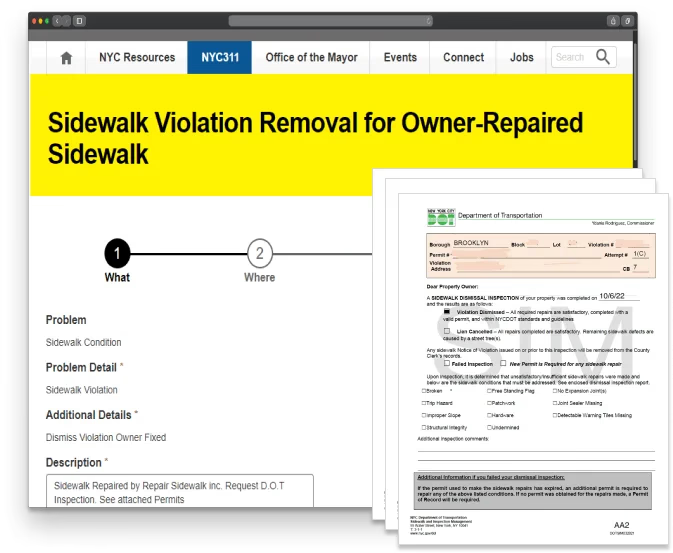
The NYC 311 page is useful when you need guidance on status, a copy of the violation, or general next steps.
If your goal is to understand the entire deadline and repair process, also read our 75-day NYC sidewalk violation guide.
DOT case search and 311 are not the same thing
A lot of owners mix these up.
- DOT case lookup helps you check the case tied to the property or case number.
- 311 is better for requesting help, getting direction, or asking about a copy/status path.
If you only check one source once, you can miss context. That is why many owners ask us to review the situation first, then use the city source second.
What to do after you find the status
Once you confirm the record, your next step depends on what you find:
- If the violation is active, get a repair estimate quickly.
- If the work was already done, confirm whether dismissal or reinspection is still pending.
- If you cannot tell what the document means, get a copy and compare it to the site conditions.
If the case is still open and repair is needed, we can inspect the sidewalk and give you a free estimate before city delays turn into bigger problems. You can also review our NYC sidewalk repair cost guide if budget is your next question.
Common reasons owners get confused
Owners often think the case is closed because:
- the sidewalk looks better than before
- they checked only 311 and not the DOT case page
- they repaired only part of the flagged area
- they do not have the full violation copy in front of them
If that sounds like your case, our team can help you sort out the repair side first and then point you to the right city step after that.
Quick FAQ
Can I check status without the violation number?
Often yes, especially if you have the full property address, but the violation number makes the search more precise.
Can 311 give me the actual violation copy?
NYC 311 says owners can request status or a copy of a sidewalk violation. If you want to save time, we can also help obtain it for you and then review it with your estimate.
What if the record still shows open after repair?
That usually means you still need dismissal follow-up, reinspection, or a scope review.
Final takeaway
If you want the fastest path, contact us first so we can help you decide whether you need a status check, a copy request, or immediate repair action. If you want to self-serve, use the official DOT lookup and NYC 311 violation page next.
Need help now? Request your free estimate here.